Cracked Heels: Understanding Heel Fissures

Cracked heels, medically known as heel fissures, are more than just a cosmetic concern. While they often begin as a minor nuisance, deep cracks can become painful and serve as entry points for infection. In the dry Western Australian climate, maintaining the skin’s elasticity is a common challenge for many locals.

Why do heels crack?

The skin around the heels is naturally thicker than other areas of the body to withstand the pressure of walking. For a crack to form, two things usually happen simultaneously:

Loss of Elasticity

  • The skin becomes extremely dry (anhidrosis), losing its ability to stretch.

Increased Pressure

  • When we walk or stand, the fat pad under the heel expands outwards. If the skin is too dry to stretch, it "snaps" or splits under the pressure.
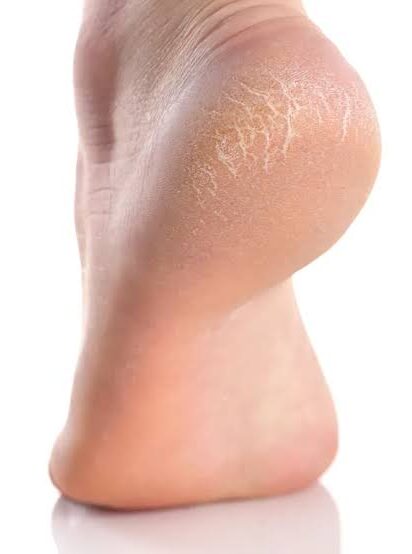
Cracked heels

Common Causes of Cracked Heels

Open-Backed Footwear - Thongs and sandals allow the skin under the heel to expand sideways more easily, increasing the likelihood of splitting.

Prolonged Standing - Constant pressure from hard surfaces (like tiles or concrete) stresses the skin.

Medical Conditions - Conditions such as diabetes, hypothyroidism, or skin disorders like psoriasis and eczema can decrease sweat gland function, leading to drier skin.

Nutritional Deficiencies - A lack of certain vitamins (like Zinc or Omega-3) can affect skin health and repair.

Clinical Management of Cracked Heels

While pumice stones and moisturisers are helpful for maintenance, professional podiatric treatment is required when the skin has become too thick to manage at home.

Professional Debridement

A podiatrist uses sterile, precision blades to gently remove the hard, dead borders of the fissure. This "smooths" the skin, removing the tension that causes the crack to pull open further.

Sanding & Buffing

Using medical-grade rotary files, the skin is smoothed to a fine finish, preventing "snags" on socks and stockings.

Fissure Taping

In severe cases, we may use specialized medical tape to hold the edges of a crack together, allowing the tissue underneath to heal.

Clinical Urea Therapy

We provide advice on high-percentage Urea creams (25% or higher), which act as a keratolytic to break down hard skin and pull moisture into the deeper layers.

👋

Book your cracked heel treatment at Mandurah Podiatry Clinic!

Book Your Appointment
Scroll to Top